Article
Law, power, and perception: When justice must not only be done but be seen… – Dr. Muiz Banire, SAN

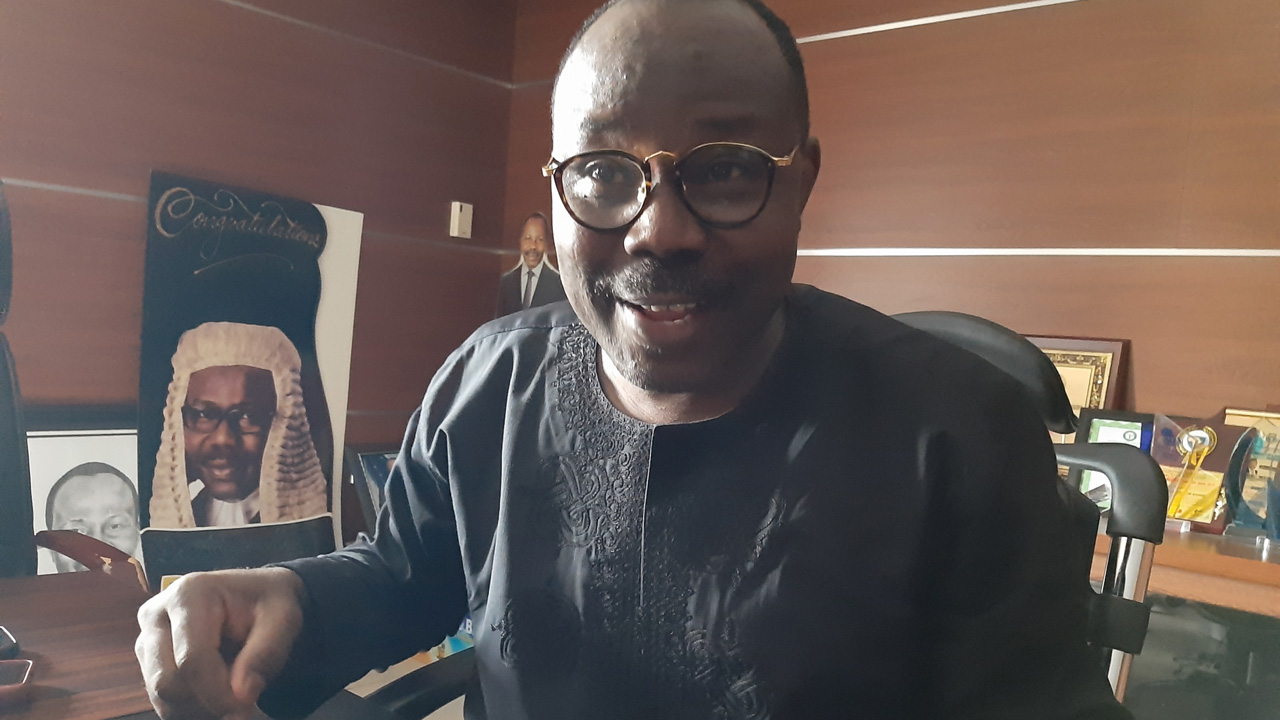
Justice! Justice!! Justice!!! This immediately reminds me of the traditional way our elders trigger important conversations in Yoruba land, the tribe in Nigeria to which I belong. It underscores the gravity of the discourse about to be engaged in. In contemporary times, if there is any concept that is deeply worrisome in our society—indeed, I dare say even more troubling than politics and governance at large—it is justice. The search for justice in the land is becoming elusive in Nigeria. The presupposition, as one reflects on this, is that justice has somehow escaped from the country. Can this truly be so? If so, where has it disappeared to—Wonderland?
Some of my educated friends often ask me about the meaning of justice. Each time I am confronted with this question, I find myself struggling. Is it justice according to the law that I am to explain to them? Or justice according to the whims and caprices of judicial officers or arbiters? Or simply natural justice? As I grapple—and sometimes even “confuse” them with these layers—I often end up by concluding quite simply that justice is just justice; if you like, call it fairness. In taking this position, I deliberately avoid the dense jurisprudential underpinnings embedded in the concept and rest instead on its philosophical connotation.
Let me confess that, as much as possible, I avoid publicly x-raying the challenges of the judiciary in view of my vantage position in the profession. It is in this connection that I pertinently recall, at this juncture, a timeless Yoruba proverb: “Àgbà awo kì í bá awo jẹ́.” The elder, custodian of sacred knowledge, does not conspire to desecrate the very institution he is entrusted to protect. This briefly summarizes the delicate position in which I find myself as a senior legal practitioner, an opinion leader, and a moulder who must not be seen to wash too much of the sacred grove’s dirty linen in the open.
However, I am constrained, in light of current occurrences, to invite you in this column to journey with me into one of the most delicate yet defining pillars of any civilized society: the administration of justice. It is a subject as old as organized human existence itself, yet as contemporary as the headlines that confront us daily. For beyond the technicalities of statutes, procedures, and judicial pronouncements lies a deeper, often neglected dimension of justice: perception. Indeed, it has long been settled in legal philosophy that justice must not only be done but must manifestly and undoubtedly be seen to be done. The question that must engage our collective conscience today is whether, in Nigeria, justice still satisfies this dual requirement.
The judiciary, as we know, is not merely an institution; it is the moral compass of the state. It is the last refuge of the common man—the arena where power is expected to bow before reason, and where rights are vindicated against arbitrariness. Without it, society descends into chaos, and the rule of law becomes an empty slogan. That explains why, in any military coup, the only surviving institution often remains the judiciary. Yet, the potency of the judiciary does not lie solely in its constitutional powers. Its true strength resides in the confidence the people repose in it. Once that confidence is eroded, even the most well-reasoned judgments risk being dismissed in the court of public opinion. The truism or otherwise of this is best left to your conclusion in contemporary times.
Again, in recent times, there has been a growing disquiet among citizens—not necessarily regarding the existence of judicial decisions, but the credibility and transparency surrounding them. It is no longer uncommon to hear the now-popular refrain, “Go to court,” uttered not as a genuine invitation to seek justice, but as a cynical acknowledgment of a process perceived to be slow, uncertain, or, in some cases, compromised. This shift in public sentiment is both dangerous and instructive: dangerous because it undermines the very foundation of our democratic order, and instructive because it signals the urgent need for introspection and reform.
Let us be clear: the problem is not always that justice is not being done. Indeed, many judicial officers continue to discharge their duties with commendable integrity, often under very challenging circumstances. The issue, more often than not, is that justice is not seen to be done. And perception, whether we like it or not, is a powerful force. In governance, as in law, perception can sometimes outweigh reality. A system that is opaque, excessively technical, or painfully slow creates fertile ground for suspicion, regardless of the actual intentions of those who operate within it.
There are several dimensions to this challenge. The first is delay. The aphorism that justice delayed is justice denied is not a mere rhetorical flourish; it is a lived reality for countless litigants. Cases linger for years—sometimes decades—moving from one adjournment to another, and from one interlocutory application to the next. By the time judgment is eventually delivered, the subject matter may have lost its relevance—and the parties, their faith. Indeed, where such cases travel all the way to the apex court, the final decision often outlives the parties. In some instances, there have been three generations of substituted parties due to death. In such circumstances, even a sound judgment struggles to command respect, because the process that produced it has already been discredited by time.
The second dimension is accessibility. The legal process, with all its necessary formalities, has become increasingly alien to the average citizen. Courtrooms are perceived as intimidating spaces, governed by language and procedures that exclude rather than include. When people cannot understand the process, they are less likely to trust its outcomes. Justice must not only be fair; it must be intelligible. That is why it is rather surprising when some judicial officers relish the use of high-sounding vocabulary in their judgments—perhaps to impress themselves or even the lawyers, but certainly not the parties for whom the judgments are meant.
Even as a lawyer, I sometimes struggle to comprehend certain judgments of some of my law lords. This reminds me of my days in academia, where it was sometimes considered a mark of intellectual prowess to write papers that readers found difficult to understand. In truth, that is failure, because no idea has been effectively communicated. The same applies to judgments of courts. They must not only be intelligible but also simple enough for the parties to understand why they have won or lost. There is nothing to be proud of when a judgment, due to unnecessary verbosity, cannot be understood. It is no achievement to unleash so much vocabulary on parties that they cannot digest.
The third issue is consistency and coherence in judicial pronouncements. Nothing erodes confidence faster than the perception that similar cases yield markedly different outcomes without clear justification. While the doctrine of stare decisis is meant to ensure predictability, its inconsistent application creates confusion and fuels suspicion.
The law, in its majesty, must speak with a voice that is both authoritative and consistent—not vague or opaque. This brings us to the challenge of conflicting judgments of appellate courts. While attempts have been made to address this, not much traction has been gained. The situation becomes even more troubling when such conflicting decisions emanate from the apex court. It throws confusion into the jurisprudence of the country and makes it difficult for lawyers to render sound opinions to clients. The situation is gradually degenerating to the early days of equity, where outcomes varied with the Chancellor’s foot.
Then there is the ever-sensitive matter of judicial independence. In a polity where political contestations are fierce and stakes are high, the judiciary inevitably finds itself at the centre of controversy. Allegations—whether substantiated or not—of external influence, forum shopping, or strategic litigation further complicate public perception. It must be emphasized that even the mere existence of such allegations, whether true or not, is damaging. In matters of justice, appearance is as critical as reality. Thus, there is an urgent need to find ways of insulating our judiciary from political contestations. Alternative mechanisms must be fashioned to shield judicial officers from political battles. It is equally concerning that the purity of our jurisprudence has been contaminated by electoral jurisprudence.
At this juncture, the judiciary, as the custodian of justice, must be seen to uphold not only the letter but also the spirit of this wisdom in the rule of law. It must rise above reproach—not merely in conduct, but also in perception.
What then is the way forward?
First, there must be a renewed commitment to transparency. Judicial processes should, as much as practicable, be open and accessible. The use of technology can be significantly enhanced to ensure that proceedings are recorded, transmitted, and, where appropriate, made available to the public. The assignment of cases to judges must be technology-driven, unless we are suggesting that some judicial officers appointed are not competent. Discretionary allocation of cases is a threat to transparency and neutrality. The applicable technology is both cheap and readily available. Transparency dispels suspicion and builds trust.
Second, there is an urgent need to tackle delay through decisive reforms. Case management systems must be strengthened, frivolous adjournments discouraged, and judicial capacity expanded. Judges must be empowered to take firm control of their courts, ensuring that justice is not held hostage by procedural manoeuvres. There is no doubt that many of the rules of court—except perhaps the recently pronounced Rules of the Supreme Court—are themselves harbingers of delay. All courts must, as a matter of urgency, take a cue from the apex court rules.
Third, legal education and public enlightenment must be prioritized. Citizens must be equipped with a basic understanding of how the justice system operates. A society that understands its institutions is better positioned to trust them. Most importantly, the language of justice must be made party-friendly. It is no accident that Latin was phased out in England, our legal progenitor.
Fourth, accountability mechanisms within the judiciary must be both robust and credible. While judicial independence must be jealously guarded, it must not be mistaken for judicial infallibility. Where genuine instances of misconduct arise, they must be addressed promptly and transparently. Academics, in this regard, are not doing enough, as they ought to serve as reviewers of judicial decisions, particularly those of the apex court. This is not to vilify, but to safeguard and guide. The court itself is not infallible, and academic review provides an essential check against what may be perceived as judicial impunity.
Fifth, and perhaps most importantly, there must be a cultural reorientation within the legal profession. Lawyers, as officers of the court, owe a duty not only to their clients but to the integrity of the system. The temptation to exploit procedural loopholes for tactical advantage must be resisted. The pursuit of justice must take precedence over the pursuit of victory. The era of churning out judgments, as opposed to delivering justice, must come to an end. I am not oblivious to the efforts of some courts—particularly the apex court—to ameliorate these challenges, but the heads of courts at other levels need to step up their game, recognizing also the funding challenges in some instances.
Distinguished readers, the survival of our democracy and society depends, in no small measure, on the credibility of our justice system. Laws may be enacted, policies formulated, and institutions established, but without a judiciary that commands trust, these efforts rest on a fragile foundation. Justice is the glue that binds society together; when it is perceived to be compromised, the bonds of unity begin to fray.
In conclusion, we must remind ourselves that justice is not an abstract ideal; it is a lived experience. It is felt in the fairness of processes, the timeliness of decisions, and the clarity of outcomes. It is reflected in the confidence with which citizens approach the courts and the respect with which they receive judicial pronouncements. To achieve this, we must go beyond ensuring that justice is done; we must ensure that it is seen, understood, and believed. For, in the final analysis, a justice system that is not trusted is a justice system that is weakened—and a nation that cannot trust its justice system stands on uncertain ground. The task before us, therefore, is not merely to defend the judiciary, but to strengthen it in both substance and perception. Only then can we truly say that justice, in its fullest sense, has been served.

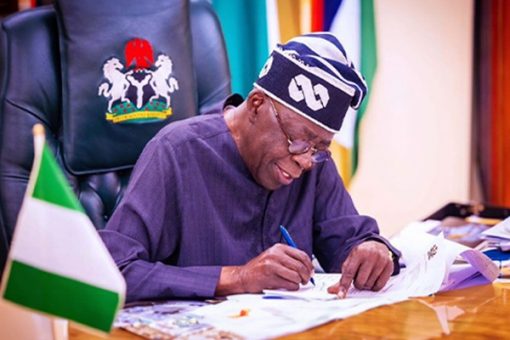
- 𝗙𝘂𝗲𝗹 𝗦𝘂𝗯𝘀𝗶𝗱𝘆 𝗘𝗹𝗶𝗺𝗶𝗻𝗮𝘁𝗶𝗼𝗻:
Abolished the decades-long petrol subsidy in May 2023 to save trillions of Naira for public investments. HE ELIMINATED THE CORRUPTION IN THAT SECTOR. - 𝗙𝗼𝗿𝗲𝗶𝗴𝗻 𝗘𝘅𝗰𝗵𝗮𝗻𝗴𝗲 𝗨𝗻𝗶𝗳𝗶𝗰𝗮𝘁𝗶𝗼𝗻:
Collapsed multiple FX windows into a market-driven system to stabilize foreign direct investment inflows. HE ELIMINATED THE ROUND-TRIPPING CORRUPTION. - 𝗗𝗲𝗯𝘁 𝗕𝘂𝗿𝗱𝗲𝗻 𝗥𝗲𝗱𝘂𝗰𝘁𝗶𝗼𝗻:
Slashed Nigeria’s debt service-to-revenue ratio from a critical 97% to below 50%. - 𝗙𝗼𝗿𝗲𝗶𝗴𝗻 𝗘𝘅𝗰𝗵𝗮𝗻𝗴𝗲 𝗗𝗲𝗯𝘁 𝗖𝗹𝗲𝗮𝗿𝗮𝗻𝗰𝗲:
Successfully cleared over $10 billion in legacy foreign exchange liabilities to boost investor confidence. - 𝗦𝘂𝗿𝗴𝗲 𝗶𝗻 𝗘𝘅𝘁𝗲𝗿𝗻𝗮𝗹 𝗥𝗲𝘀𝗲𝗿𝘃𝗲𝘀:
Rebuilt Nigeria’s external reserves, pushing them past $54 billion, the highest mark since 2019. - 𝗧𝗿𝗮𝗱𝗲 𝗦𝘂𝗿𝗽𝗹𝘂𝘀 𝗘𝘅𝗽𝗮𝗻𝘀𝗶𝗼𝗻:
Achieved a historic ₦7.46 trillion trade surplus, as reported in Q2 2025 financial disclosures. - 𝗠𝗮𝗻𝘂𝗳𝗮𝗰𝘁𝘂𝗿𝗶𝗻𝗴 𝗘𝘅𝗽𝗼𝗿𝘁 𝗦𝗽𝗶𝗸𝗲:
Orchestrated a 173% jump in manufactured goods exports through relaxed trade corridor regulations. - 𝗡𝗼𝗻-𝗢𝗶𝗹 𝗥𝗲𝘃𝗲𝗻𝘂𝗲 𝗕𝗼𝗼𝘀𝘁:
Diversified government earnings, generating record non-oil revenue growth of 24.7% in Q1 2025 alone. - 𝗧𝗮𝘅 𝗕𝗮𝘀𝗲 𝗕𝗿𝗼𝗮𝗱𝗲𝗻𝗶𝗻𝗴:
Raised the tax-to-GDP ratio from under 10% to 13.5% without increasing tax burdens on low-income families. - 𝗙𝗔𝗔𝗖 𝗔𝗹𝗹𝗼𝗰𝗮𝘁𝗶𝗼𝗻 𝗚𝗿𝗼𝘄𝘁𝗵:
Expanded Federal Account Allocation Committee (FAAC) monthly distributions by 90%, peaking at a record ₦3.007 trillion. - 𝗦𝘁𝗼𝗰𝗸 𝗠𝗮𝗿𝗸𝗲𝘁 𝗕𝗼𝗼𝗺:
Presided over a historic surge in the NGX All-Share Index from about 53,000 points to over 250,000 points. - 𝗧𝗮𝘅 𝗥𝗲𝗳𝗼𝗿𝗺 𝗕𝗶𝗹𝗹𝘀 𝗜𝗻𝘁𝗲𝗴𝗿𝗮𝘁𝗶𝗼𝗻:
Enacted four comprehensive tax bills to simplify multiple taxation and modernize national tax compliance. - 𝗡𝗲𝘁 𝗘𝘅𝗽𝗼𝗿𝘁𝗲𝗿 𝗠𝗶𝗹𝗲𝘀𝘁𝗼𝗻𝗲:
Shifted Nigeria’s trade dynamics toward becoming a net exporter for the first time in consecutive quarters. - 𝗟𝗮𝗴𝗼𝘀-𝗖𝗮𝗹𝗮𝗯𝗮𝗿 𝗖𝗼𝗮𝘀𝘁𝗮𝗹 𝗛𝗶𝗴𝗵𝘄𝗮𝘆:
Commenced construction of the landmark 700-kilometre coastal highway linking major maritime and economic zones. Sokoto-Badagry Super Highway opening up so many areas, e.g., Oke Ogun and Ofiki area. - 𝗘𝗹𝗲𝗰𝘁𝗿𝗶𝗰𝗶𝘁𝘆 𝗦𝗲𝗰𝘁𝗼𝗿 𝗗𝗲-𝗺𝗼𝗻𝗼𝗽𝗼𝗹𝗶𝘇𝗮𝘁𝗶𝗼𝗻:
Signed the Electricity Act 2023, allowing states and private-sector groups to generate and distribute electricity. - 𝗭𝘂𝗻𝗴𝗲𝗿𝘂 𝗛𝘆𝗱𝗿𝗼𝗽𝗼𝘄𝗲𝗿 𝗟𝗮𝘂𝗻𝗰𝗵:
Successfully launched the 700MW Zungeru Hydropower Project to supply additional clean energy to the national grid. - 𝗚𝗿𝗶𝗱 𝗖𝗮𝗽𝗮𝗰𝗶𝘁𝘆 𝗘𝘅𝗽𝗮𝗻𝘀𝗶𝗼𝗻:
Added an emergency 625 megawatts of electricity to the national grid on May 3, 2024. - 𝗦𝗲𝗰𝗼𝗻𝗱 𝗡𝗶𝗴𝗲𝗿 𝗕𝗿𝗶𝗱𝗴𝗲 𝗔𝗰𝗰𝗲𝘀𝘀 𝗥𝗼𝗮𝗱𝘀:
Completed vital access roads associated with the Second Niger Bridge to improve connectivity across the Southeast. First Niger Bridge is being rehabilitated completely with CCTV. - 𝗣𝗼𝗿𝘁 𝗠𝗼𝗱𝗲𝗿𝗻𝗶𝘇𝗮𝘁𝗶𝗼𝗻 𝗣𝗿𝗼𝗴𝗿𝗮𝗺𝗺𝗲:
Upgraded major ports, including Lekki, Apapa, Tin-Can and Onne, to improve their ability to handle large maritime vessels. - 𝗣𝗼𝗿𝘁 𝗥𝗲𝘃𝗲𝗻𝘂𝗲 𝗔𝗰𝗰𝗲𝗹𝗲𝗿𝗮𝘁𝗶𝗼𝗻:
Increased national port revenue from about ₦424 billion in 2023 to ₦893 billion by 2024 through improved operations and customs processes. - 𝗔𝗯𝘂𝗷𝗮 𝗠𝗲𝘁𝗿𝗼 𝗥𝗮𝗶𝗹 𝗥𝗲𝘃𝗶𝘁𝗮𝗹𝗶𝘇𝗮𝘁𝗶𝗼𝗻:
Completed and operationalized commercial services on the Abuja Light Rail, including an initial period of free passenger rides. - 𝗥𝗮𝗶𝗹 𝗜𝗻𝗳𝗿𝗮𝘀𝘁𝗿𝘂𝗰𝘁𝘂𝗿𝗲 𝗦𝗲𝗰𝘂𝗿𝗶𝘁𝘆:
Strengthened security and surveillance around railway infrastructure, contributing to improved safety on national rail networks. - 𝗡𝗮𝘁𝗶𝗼𝗻𝗮𝗹 𝗥𝗼𝗮𝗱 𝗥𝗲𝗵𝗮𝗯𝗶𝗹𝗶𝘁𝗮𝘁𝗶𝗼𝗻:
Repaired, reconstructed and expanded more than 2,700 kilometres of interstate roads and expressways. - 𝗔𝗯𝘂𝗷𝗮 𝗨𝗿𝗯𝗮𝗻 𝗧𝗿𝗮𝗻𝘀𝗳𝗼𝗿𝗺𝗮𝘁𝗶𝗼𝗻:
Continued major urban renewal and infrastructure projects in the Federal Capital Territory, including the construction and completion of several flyovers and road projects. - 𝗦𝘁𝘂𝗱𝗲𝗻𝘁 𝗟𝗼𝗮𝗻 𝗦𝗰𝗵𝗲𝗺𝗲 𝗟𝗮𝘂𝗻𝗰𝗵:
Established the Nigerian Education Loan Fund (NELFUND) to remove financial barriers to higher education. - 𝗡𝗘𝗟𝗙𝗨𝗡𝗗 𝗗𝗶𝘀𝗯𝘂𝗿𝘀𝗲𝗺𝗲𝗻𝘁𝘀:
Provided tuition and other educational support to more than 1.6 million students, with hundreds of billions of naira channeled to tertiary institutions. ₦322 billion disbursed as at 12/09/2026. - 𝟯𝗠𝗧𝗧 𝗗𝗶𝗴𝗶𝘁𝗮𝗹 𝗦𝗸𝗶𝗹𝗹𝘀 𝗜𝗻𝗶𝘁𝗶𝗮𝘁𝗶𝘃𝗲:
Launched the 3 Million Technical Talent (3MTT) programme to develop a large pool of digitally skilled Nigerians and strengthen the country’s technology sector. - 𝗗𝗶𝗴𝗶𝘁𝗮𝗹 𝗬𝗼𝘂𝘁𝗵 𝗧𝗿𝗮𝗶𝗻𝗶𝗻𝗴:
Trained and certified more than 100,000 young Nigerians in advanced areas, including artificial intelligence, cybersecurity and other emerging technologies. - 𝗖𝗼𝗻𝘀𝘂𝗺𝗲𝗿 𝗖𝗿𝗲𝗱𝗶𝘁 𝗘𝘅𝗽𝗮𝗻𝘀𝗶𝗼𝗻:
Activated the Nigerian Consumer Credit Corporation (CrediCorp) to expand access to affordable consumer credit for vehicles, household assets and other essential purchases. - 𝗬𝗼𝘂𝘁𝗵 𝗖𝗿𝗲𝗱𝗶𝘁 (#YouthCred):
Launched a specialized consumer-credit scheme targeting young Nigerians aged 18–39, including NYSC members. - 𝗖𝗿𝗲𝗮𝘁𝗶𝘃𝗲 𝗘𝗰𝗼𝗻𝗼𝗺𝘆 𝗗𝗲𝘃𝗲𝗹𝗼𝗽𝗺𝗲𝗻𝘁 𝗙𝘂𝗻𝗱:
Established the Creative Economy Development Fund (CEDF) to provide financing and capital support to artists, actors, filmmakers, musicians and other content creators. - 𝗡𝗶𝗴𝗲𝗿𝗶𝗮 𝗬𝗼𝘂𝘁𝗵 𝗜𝗻𝘃𝗲𝘀𝘁𝗺𝗲𝗻𝘁 𝗙𝘂𝗻𝗱 (𝗡𝗬𝗜𝗙):
Restructured and expanded the NYIF to provide additional financing and support for young entrepreneurs and businesses. - 𝗡𝗮𝘁𝗶𝗼𝗻𝗮𝗹 𝗠𝗶𝗻𝗶𝗺𝘂𝗺 𝗪𝗮𝗴𝗲 𝗔𝗰𝘁:
Signed a revised national minimum-wage structure, raising the federal minimum wage from ₦30,000 to ₦70,000. - 𝗖𝗼𝗺𝗽𝗿𝗲𝘀𝘀𝗲𝗱 𝗡𝗮𝘁𝘂𝗿𝗮𝗹 𝗚𝗮𝘀 (𝗖𝗡𝗚) 𝗜𝗻𝗶𝘁𝗶𝗮𝘁𝗶𝘃𝗲:
Introduced CNG-powered buses and established hundreds of conversion centres as part of efforts to reduce transportation costs following the removal of the fuel subsidy. - 𝗖𝗼𝗻𝗱𝗶𝘁𝗶𝗼𝗻𝗮𝗹 𝗖𝗮𝘀𝗵 𝗧𝗿𝗮𝗻𝘀𝗳𝗲𝗿𝘀:
Expanded social-protection programmes to provide direct financial assistance to millions of vulnerable households. - 𝗣𝗿𝗶𝗺𝗮𝗿𝘆 𝗛𝗲𝗮𝗹𝘁𝗵𝗰𝗮𝗿𝗲 𝗥𝗲𝘃𝗶𝘁𝗮𝗹𝗶𝘇𝗮𝘁𝗶𝗼𝗻:
Strengthened and rehabilitated Primary Health Care centres nationwide through the Basic Healthcare Provision Fund and other interventions. - 𝗖𝗮𝗻𝗰𝗲𝗿 𝗧𝗿𝗲𝗮𝘁𝗺𝗲𝗻𝘁 𝗜𝗻𝗳𝗿𝗮𝘀𝘁𝗿𝘂𝗰𝘁𝘂𝗿𝗲:
Commenced the development of state-of-the-art oncology treatment centres across Nigeria’s geopolitical zones. - 𝗣𝗮𝘀𝘀𝗽𝗼𝗿𝘁 𝗕𝗮𝗰𝗸𝗹𝗼𝗴 𝗥𝗲𝘀𝗼𝗹𝘂𝘁𝗶𝗼𝗻:
Undertook an emergency intervention to clear a large backlog of pending international passport applications. - 𝗣𝗿𝗲𝘀𝗶𝗱𝗲𝗻𝘁𝗶𝗮𝗹 𝗠𝗦𝗠𝗘 𝗟𝗼𝗮𝗻 & 𝗚𝗿𝗮𝗻𝘁 𝗦𝗰𝗵𝗲𝗺𝗲:
Disbursed billions of naira in grants and financial support to hundreds of thousands of micro, small and medium-sized businesses following the removal of the petrol subsidy. - 𝗡𝗮𝘁𝗶𝗼𝗻𝗮𝗹 𝗔𝗴𝗿𝗶𝗰𝘂𝗹𝘁𝘂𝗿𝗮𝗹 𝗚𝗿𝗼𝘄𝘁𝗵 𝗦𝗰𝗵𝗲𝗺𝗲:
Expanded agricultural support programmes and distributed mechanization equipment and other inputs to farmers to improve food production. - 𝗧𝗿𝗮𝗰𝘁𝗼𝗿 𝗗𝗲𝗽𝗹𝗼𝘆𝗺𝗲𝗻𝘁:
Acquired and deployed more than 2,000 agricultural tractors to promote mechanized farming and strengthen agricultural cooperatives. - 𝗗𝗿𝘆-𝗦𝗲𝗮𝘀𝗼𝗻 𝗙𝗮𝗿𝗺𝗶𝗻𝗴 𝗦𝘂𝗽𝗽𝗼𝗿𝘁:
Provided financing and agricultural inputs for dry-season wheat, rice and maize production as part of efforts to increase food supply and moderate prices. - 𝗦𝗼𝗹𝗶𝗱 𝗠𝗶𝗻𝗲𝗿𝗮𝗹 𝗠𝗶𝗻𝗶𝗻𝗴 𝗠𝗮𝗿𝘀𝗵𝗮𝗹𝘀:
Established a specialized security force to combat illegal mining and protect Nigeria’s mineral resources. - 𝗖𝗼𝗮𝗹 𝗦𝗲𝗰𝘁𝗼𝗿 𝗥𝗲𝘀𝘂𝗿𝗴𝗲𝗻𝗰𝗲:
Increased activity and investment in the coal-mining sector, contributing to significant growth in mineral production. - 𝗟𝗼𝗰𝗮𝗹 𝗚𝗼𝘃𝗲𝗿𝗻𝗺𝗲𝗻𝘁 𝗙𝗶𝗻𝗮𝗻𝗰𝗶𝗮𝗹 𝗔𝘂𝘁𝗼𝗻𝗼𝗺𝘆:
Supported the historic Supreme Court judgment affirming the financial autonomy of Nigeria’s local government councils and direct access to their statutory allocations. - 𝗧𝗲𝗿𝗿𝗼𝗿𝗶𝘀𝘁 𝗡𝗲𝘂𝘁𝗿𝗮𝗹𝗶𝘇𝗮𝘁𝗶𝗼𝗻:
Intensified military operations against terrorists and bandits, resulting in the elimination of thousands of insurgents and the neutralization of several high-profile commanders. - 𝗠𝗮𝘀𝘀 𝗜𝗻𝘀𝘂𝗿𝗴𝗲𝗻𝘁 𝗦𝘂𝗿𝗿𝗲𝗻𝗱𝗲𝗿𝘀:
Sustained intelligence-led military operations that encouraged thousands of Boko Haram and ISWAP fighters and their associates to surrender. - 𝗠𝗶𝗹𝗶𝘁𝗮𝗿𝘆 𝗣𝗲𝗿𝘀𝗼𝗻𝗻𝗲𝗹 𝗪𝗲𝗹𝗳𝗮𝗿𝗲:
Implemented upward salary adjustments and improved allowances and logistics support for members of the armed forces. - 𝗡𝗮𝘁𝗶𝗼𝗻𝗮𝗹 𝗜𝗱𝗲𝗻𝘁𝗶𝘁𝘆 𝗦𝘆𝘀𝘁𝗲𝗺 𝗘𝘅𝗽𝗮𝗻𝘀𝗶𝗼𝗻:
Expanded National Identification Number (NIN) registration, with more than 118 million Nigerians enrolled in the national identity system. - 𝗥𝗲𝗴𝗶𝗼𝗻𝗮𝗹 𝗗𝗲𝘃𝗲𝗹𝗼𝗽𝗺𝗲𝗻𝘁 𝗖𝗼𝗺𝗺𝗶𝘀𝘀𝗶𝗼𝗻𝘀:
Established new regional development commissions to accelerate development across different parts of the country, alongside institutional changes aimed at strengthening regional development planning. NDC was a pioneer. It was established for the SS. All other regions now have their own under Tinubu.
𝗖𝗼𝗺𝗽𝗶𝗹𝗲𝗱 𝗕𝘆 𝑨𝒚𝒐𝒂𝒅𝒆 𝑫𝒂𝒗𝒊𝒅𝒔𝒐𝒏 𝑶𝒋𝒆𝒏𝒊𝒚𝒊 (12/09/2026).
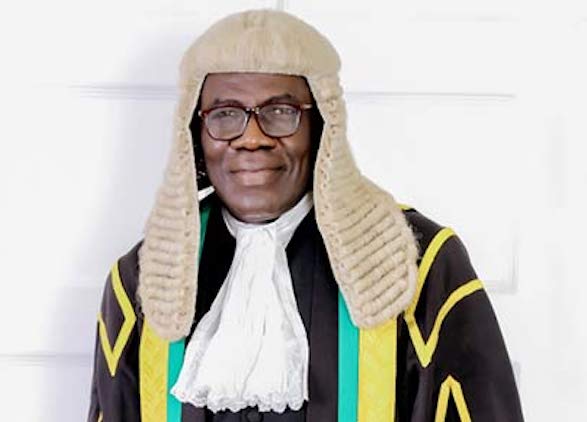
I am a lawyer. I studied law and have remained in the practice of law in memory of my late mother, who paid for me to study law at Holborn Law Tutors in the UK. I eventually continued my legal education at the University of Ibadan and graduated from there. She paid almost £7,000 upfront for one year, which was the total tuition fee for one year at that private law school. I will be eternally grateful to her. May her soul continue to rest in perfect peace. We all know what the exchange rate would be today.
In her memory, I decided to remain in the practice of law throughout my legal practice and thereafter, even until now. I tried my hand at property marketing at one time, but I had to drop it, even though I made some money from it. I stopped because it was affecting my legal practice.
There is nothing you do, from my point of view, outside your profession that will not affect your profession. Politics is one of them. Politics itself is an art and a profession, but I must add that, if it is truly for the people and the betterment of the people, it is a good one.
One of the most respected politicians in this country was Chief Obafemi Awolowo, of blessed memory. He practised law and politics successfully, but he was more of a politician. He used his knowledge of law to better the lot of so many people during his lifetime, and, till today, his name remains a reference point in using politics to serve humanity.
Mahatma Gandhi was first a lawyer before he became a politician to serve his people. His name is known more in politics than in law.
Chief F.R.A. Williams was a politician until he dropped politics to devote his entire life to law. He was not a crossbreed. His pathological devotion to law can be seen and read in the political history of Nigeria. In legal practice, to which he committed his entire life after publicly renouncing politics, his invaluable impact is evident in law books, legal records and law reports. He was an enigma and an icon who will forever be remembered, like others too numerous to name, who stayed in the service of law.
The lawyer is meant to be the beacon of society. The lawyer’s creed is to ensure that society is governed according to the law. Chief Gani Fawehinmi was the people’s lawyer. He used the law to better the lot of society. His foray into politics was disastrous because the perception of the lawyer in practice and the lawyer in politics are not symbiotic. They are strange bedfellows.
The people may hail the lawyer in law, but not the lawyer in politics. The ingredients you add to the soup that make a lawyer are different from the ingredients you add to the soup that make a politician. Femi Falana, SAN, my dear friend, was in the same boat as the late Chief Gani Fawehinmi. I feel him more in law now than when he did both.
A lawyer is known to keep to his or her word. Robert Traver, in his book The Anatomy of Murder, stated thus:
“That’s what makes the practice of law, like prostitution, one of the last of the unpredictable professions—both employ the seductive arts, both try to display their wares to best advantage and both must pretend enthusiastically to woo total strangers.”
Joseph Story lived from 1779 to 1845. He was an American lawyer, politician and jurist who served as an Associate Justice of the United States Supreme Court from 1812 until his death in 1845. He stated thus:
“I will not say….that ‘The law will admit of no rival’, but I will say that it is a jealous mistress, and requires a long and constant courtship. It is not to be won by trifling favours…”
Henry David Thoreau (1817–1862) was not a lawyer. He was an American essayist, poet and philosopher. He said:
“The lawyer’s truth is not Truth, but consistency, or a consistent expediency. Truth is always in harmony with herself, and is not concerned chiefly to reveal the justice that may consist with wrongdoing.”
I have gone through the lawyer’s creed, which is to uphold the rule of law, personal dignity and independence; to offer faithfulness, competence, diligence and good judgment while providing vigorous and honest representation without sacrificing professional ethics; to practise with fairness, integrity and civility, avoiding malicious tactics, unnecessary delays or abusive discovery; to show profound respect, candour and courtesy, ensuring that the search for truth and justice remains uncompromised; to the court or tribunal; to make justice accessible to the poor; and to protect the legal profession as a noble calling rather than a mere business.
I have gone this far in order to buttress the topic for discussion. The practice of law and politics can never converge. You cannot be a master of both. You can be successful in both, no doubt, but along the way, there are sacrifices that will most likely be at cross-purposes with the law.
Very few lawyers, like Chief F.R.A. Williams, of blessed memory, have sacrificed politics for law. The political lawyer will criticise anything, even when the law is clear that, without evidence, you are not expected to speculate.
Nowadays, many lawyers in politics take to the airwaves and the print media, especially in this era of social media, to generalise when making statements. How can a lawyer, trained in the practice of law, make general statements on any topic, especially these days when the judiciary, even in retirement, has become a topic for discussion without any evidence? How can people make general statements about Senior Advocates of Nigeria or lawyers generally?
It is pathetic that those who ought to know, by virtue of their level of education, professional qualifications and recognition in the legal community, are more guilty of this. How can a lawyer remain silent even when injustice happens in front of him and behind him, too, but he keeps quiet?
Many keep quiet these days because they want to satisfy their paymasters, even when it is glaring that the legal profession is suffering from their silence and/or complicity and complacency. These days, many voice personal opinions without let or hindrance for personal and political reasons. Some attack their professional colleagues, even the judiciary, when they cannot get what they want, but they must vent their anger on someone. Some are paid to attack or bring down their fellow colleagues, whether at the Bar or on the Bench.
I like the Yoruba language a lot. I am sorry I will not be able to interpret the idioms I will use:
“Tó bá máa jẹ Oshakala, jẹ Oshakala; tó bá máa jẹ Oshokolo, jẹ Oshokolo. Oshakala, Oshokolo kò yẹ ọmọ ènìyàn.”
“Arítení mo ń wí, àfi àpáàdì bó tiẹ̀ mọ́lẹ̀.”
“Kò sí ẹni tí a máa sí idi ẹ̀, tí a kò ní bá ẹ̀ẹ̀pà níbẹ̀.”
Apologies to those who will read this who are not Yoruba, or those who are Yoruba but do not understand these idioms.
To those who criticise, not out of holiness per se, not out of being a “straight” lawyer or simply out of a desire to be fair, but generalise in order to look good or elicit unmerited applause, look in the mirror and think back to whether you have not done anything you accuse others of doing.
In writing or criticising generally, come out, but most importantly, PRACTISE WHAT YOU PREACH BEFORE YOU CRITICISE.



Alleged $6b Mambilla Power Contract: Tinubu Hails EFCC for FG’s Victory at Arbitration Tribunal

EFCC Hands Over Recovered N140m to Loan Firm in Lagos

COPSUN Applauds EFCC on NELFUND

Dangote Refinery to deploy 4,000 gas‑powered trucks for distribution
Nigerian nurses stage seven‑day warning strike over pay, staffing

Nigeria approves plan to refinance ₦4tn power-sector debt
-
Energy1 year ago
Dangote Refinery to deploy 4,000 gas‑powered trucks for distribution
-
Health1 year ago
Nigerian nurses stage seven‑day warning strike over pay, staffing
-
Economy1 year ago
Nigeria approves plan to refinance ₦4tn power-sector debt
-
 Education1 year ago
JAMB sets 2025/26 university cut‑off at 150, bars under‑16
-
 Entertainment1 year ago
Sean Kingston sentenced to 3½ years in prison over $1 million fraud
-
 Crime & Justice7 months ago
BREAKING: Two Chinese Directors Jailed 46 Years Each Over ₦3.4bn, $2.5m Crypto Fraud in Lagos
-

 Business7 months ago
Nigeria Revenue Service Collects ₦28.3trn in 2025, Sets ₦40.7trn Target for 2026
-
 Crime & Justice8 months ago
Police Arrest 24-Year-Old Over ₦48.5m Romance Fraud in Lagos