
Article
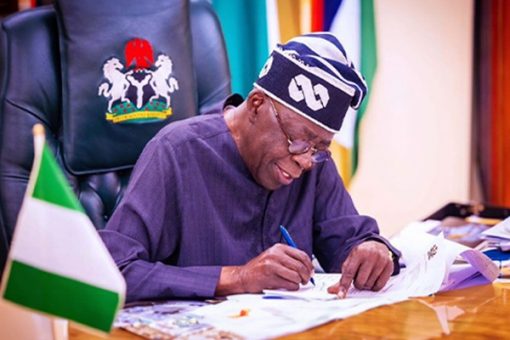
50 Major Achievements of President Bola Ahmed Tinubu

- 𝗙𝘂𝗲𝗹 𝗦𝘂𝗯𝘀𝗶𝗱𝘆 𝗘𝗹𝗶𝗺𝗶𝗻𝗮𝘁𝗶𝗼𝗻:
Abolished the decades-long petrol subsidy in May 2023 to save trillions of Naira for public investments. HE ELIMINATED THE CORRUPTION IN THAT SECTOR. - 𝗙𝗼𝗿𝗲𝗶𝗴𝗻 𝗘𝘅𝗰𝗵𝗮𝗻𝗴𝗲 𝗨𝗻𝗶𝗳𝗶𝗰𝗮𝘁𝗶𝗼𝗻:
Collapsed multiple FX windows into a market-driven system to stabilize foreign direct investment inflows. HE ELIMINATED THE ROUND-TRIPPING CORRUPTION. - 𝗗𝗲𝗯𝘁 𝗕𝘂𝗿𝗱𝗲𝗻 𝗥𝗲𝗱𝘂𝗰𝘁𝗶𝗼𝗻:
Slashed Nigeria’s debt service-to-revenue ratio from a critical 97% to below 50%. - 𝗙𝗼𝗿𝗲𝗶𝗴𝗻 𝗘𝘅𝗰𝗵𝗮𝗻𝗴𝗲 𝗗𝗲𝗯𝘁 𝗖𝗹𝗲𝗮𝗿𝗮𝗻𝗰𝗲:
Successfully cleared over $10 billion in legacy foreign exchange liabilities to boost investor confidence. - 𝗦𝘂𝗿𝗴𝗲 𝗶𝗻 𝗘𝘅𝘁𝗲𝗿𝗻𝗮𝗹 𝗥𝗲𝘀𝗲𝗿𝘃𝗲𝘀:
Rebuilt Nigeria’s external reserves, pushing them past $54 billion, the highest mark since 2019. - 𝗧𝗿𝗮𝗱𝗲 𝗦𝘂𝗿𝗽𝗹𝘂𝘀 𝗘𝘅𝗽𝗮𝗻𝘀𝗶𝗼𝗻:
Achieved a historic ₦7.46 trillion trade surplus, as reported in Q2 2025 financial disclosures. - 𝗠𝗮𝗻𝘂𝗳𝗮𝗰𝘁𝘂𝗿𝗶𝗻𝗴 𝗘𝘅𝗽𝗼𝗿𝘁 𝗦𝗽𝗶𝗸𝗲:
Orchestrated a 173% jump in manufactured goods exports through relaxed trade corridor regulations. - 𝗡𝗼𝗻-𝗢𝗶𝗹 𝗥𝗲𝘃𝗲𝗻𝘂𝗲 𝗕𝗼𝗼𝘀𝘁:
Diversified government earnings, generating record non-oil revenue growth of 24.7% in Q1 2025 alone. - 𝗧𝗮𝘅 𝗕𝗮𝘀𝗲 𝗕𝗿𝗼𝗮𝗱𝗲𝗻𝗶𝗻𝗴:
Raised the tax-to-GDP ratio from under 10% to 13.5% without increasing tax burdens on low-income families. - 𝗙𝗔𝗔𝗖 𝗔𝗹𝗹𝗼𝗰𝗮𝘁𝗶𝗼𝗻 𝗚𝗿𝗼𝘄𝘁𝗵:
Expanded Federal Account Allocation Committee (FAAC) monthly distributions by 90%, peaking at a record ₦3.007 trillion. - 𝗦𝘁𝗼𝗰𝗸 𝗠𝗮𝗿𝗸𝗲𝘁 𝗕𝗼𝗼𝗺:
Presided over a historic surge in the NGX All-Share Index from about 53,000 points to over 250,000 points. - 𝗧𝗮𝘅 𝗥𝗲𝗳𝗼𝗿𝗺 𝗕𝗶𝗹𝗹𝘀 𝗜𝗻𝘁𝗲𝗴𝗿𝗮𝘁𝗶𝗼𝗻:
Enacted four comprehensive tax bills to simplify multiple taxation and modernize national tax compliance. - 𝗡𝗲𝘁 𝗘𝘅𝗽𝗼𝗿𝘁𝗲𝗿 𝗠𝗶𝗹𝗲𝘀𝘁𝗼𝗻𝗲:
Shifted Nigeria’s trade dynamics toward becoming a net exporter for the first time in consecutive quarters. - 𝗟𝗮𝗴𝗼𝘀-𝗖𝗮𝗹𝗮𝗯𝗮𝗿 𝗖𝗼𝗮𝘀𝘁𝗮𝗹 𝗛𝗶𝗴𝗵𝘄𝗮𝘆:
Commenced construction of the landmark 700-kilometre coastal highway linking major maritime and economic zones. Sokoto-Badagry Super Highway opening up so many areas, e.g., Oke Ogun and Ofiki area. - 𝗘𝗹𝗲𝗰𝘁𝗿𝗶𝗰𝗶𝘁𝘆 𝗦𝗲𝗰𝘁𝗼𝗿 𝗗𝗲-𝗺𝗼𝗻𝗼𝗽𝗼𝗹𝗶𝘇𝗮𝘁𝗶𝗼𝗻:
Signed the Electricity Act 2023, allowing states and private-sector groups to generate and distribute electricity. - 𝗭𝘂𝗻𝗴𝗲𝗿𝘂 𝗛𝘆𝗱𝗿𝗼𝗽𝗼𝘄𝗲𝗿 𝗟𝗮𝘂𝗻𝗰𝗵:
Successfully launched the 700MW Zungeru Hydropower Project to supply additional clean energy to the national grid. - 𝗚𝗿𝗶𝗱 𝗖𝗮𝗽𝗮𝗰𝗶𝘁𝘆 𝗘𝘅𝗽𝗮𝗻𝘀𝗶𝗼𝗻:
Added an emergency 625 megawatts of electricity to the national grid on May 3, 2024. - 𝗦𝗲𝗰𝗼𝗻𝗱 𝗡𝗶𝗴𝗲𝗿 𝗕𝗿𝗶𝗱𝗴𝗲 𝗔𝗰𝗰𝗲𝘀𝘀 𝗥𝗼𝗮𝗱𝘀:
Completed vital access roads associated with the Second Niger Bridge to improve connectivity across the Southeast. First Niger Bridge is being rehabilitated completely with CCTV. - 𝗣𝗼𝗿𝘁 𝗠𝗼𝗱𝗲𝗿𝗻𝗶𝘇𝗮𝘁𝗶𝗼𝗻 𝗣𝗿𝗼𝗴𝗿𝗮𝗺𝗺𝗲:
Upgraded major ports, including Lekki, Apapa, Tin-Can and Onne, to improve their ability to handle large maritime vessels. - 𝗣𝗼𝗿𝘁 𝗥𝗲𝘃𝗲𝗻𝘂𝗲 𝗔𝗰𝗰𝗲𝗹𝗲𝗿𝗮𝘁𝗶𝗼𝗻:
Increased national port revenue from about ₦424 billion in 2023 to ₦893 billion by 2024 through improved operations and customs processes. - 𝗔𝗯𝘂𝗷𝗮 𝗠𝗲𝘁𝗿𝗼 𝗥𝗮𝗶𝗹 𝗥𝗲𝘃𝗶𝘁𝗮𝗹𝗶𝘇𝗮𝘁𝗶𝗼𝗻:
Completed and operationalized commercial services on the Abuja Light Rail, including an initial period of free passenger rides. - 𝗥𝗮𝗶𝗹 𝗜𝗻𝗳𝗿𝗮𝘀𝘁𝗿𝘂𝗰𝘁𝘂𝗿𝗲 𝗦𝗲𝗰𝘂𝗿𝗶𝘁𝘆:
Strengthened security and surveillance around railway infrastructure, contributing to improved safety on national rail networks. - 𝗡𝗮𝘁𝗶𝗼𝗻𝗮𝗹 𝗥𝗼𝗮𝗱 𝗥𝗲𝗵𝗮𝗯𝗶𝗹𝗶𝘁𝗮𝘁𝗶𝗼𝗻:
Repaired, reconstructed and expanded more than 2,700 kilometres of interstate roads and expressways. - 𝗔𝗯𝘂𝗷𝗮 𝗨𝗿𝗯𝗮𝗻 𝗧𝗿𝗮𝗻𝘀𝗳𝗼𝗿𝗺𝗮𝘁𝗶𝗼𝗻:
Continued major urban renewal and infrastructure projects in the Federal Capital Territory, including the construction and completion of several flyovers and road projects. - 𝗦𝘁𝘂𝗱𝗲𝗻𝘁 𝗟𝗼𝗮𝗻 𝗦𝗰𝗵𝗲𝗺𝗲 𝗟𝗮𝘂𝗻𝗰𝗵:
Established the Nigerian Education Loan Fund (NELFUND) to remove financial barriers to higher education. - 𝗡𝗘𝗟𝗙𝗨𝗡𝗗 𝗗𝗶𝘀𝗯𝘂𝗿𝘀𝗲𝗺𝗲𝗻𝘁𝘀:
Provided tuition and other educational support to more than 1.6 million students, with hundreds of billions of naira channeled to tertiary institutions. ₦322 billion disbursed as at 12/09/2026. - 𝟯𝗠𝗧𝗧 𝗗𝗶𝗴𝗶𝘁𝗮𝗹 𝗦𝗸𝗶𝗹𝗹𝘀 𝗜𝗻𝗶𝘁𝗶𝗮𝘁𝗶𝘃𝗲:
Launched the 3 Million Technical Talent (3MTT) programme to develop a large pool of digitally skilled Nigerians and strengthen the country’s technology sector. - 𝗗𝗶𝗴𝗶𝘁𝗮𝗹 𝗬𝗼𝘂𝘁𝗵 𝗧𝗿𝗮𝗶𝗻𝗶𝗻𝗴:
Trained and certified more than 100,000 young Nigerians in advanced areas, including artificial intelligence, cybersecurity and other emerging technologies. - 𝗖𝗼𝗻𝘀𝘂𝗺𝗲𝗿 𝗖𝗿𝗲𝗱𝗶𝘁 𝗘𝘅𝗽𝗮𝗻𝘀𝗶𝗼𝗻:
Activated the Nigerian Consumer Credit Corporation (CrediCorp) to expand access to affordable consumer credit for vehicles, household assets and other essential purchases. - 𝗬𝗼𝘂𝘁𝗵 𝗖𝗿𝗲𝗱𝗶𝘁 (#YouthCred):
Launched a specialized consumer-credit scheme targeting young Nigerians aged 18–39, including NYSC members. - 𝗖𝗿𝗲𝗮𝘁𝗶𝘃𝗲 𝗘𝗰𝗼𝗻𝗼𝗺𝘆 𝗗𝗲𝘃𝗲𝗹𝗼𝗽𝗺𝗲𝗻𝘁 𝗙𝘂𝗻𝗱:
Established the Creative Economy Development Fund (CEDF) to provide financing and capital support to artists, actors, filmmakers, musicians and other content creators. - 𝗡𝗶𝗴𝗲𝗿𝗶𝗮 𝗬𝗼𝘂𝘁𝗵 𝗜𝗻𝘃𝗲𝘀𝘁𝗺𝗲𝗻𝘁 𝗙𝘂𝗻𝗱 (𝗡𝗬𝗜𝗙):
Restructured and expanded the NYIF to provide additional financing and support for young entrepreneurs and businesses. - 𝗡𝗮𝘁𝗶𝗼𝗻𝗮𝗹 𝗠𝗶𝗻𝗶𝗺𝘂𝗺 𝗪𝗮𝗴𝗲 𝗔𝗰𝘁:
Signed a revised national minimum-wage structure, raising the federal minimum wage from ₦30,000 to ₦70,000. - 𝗖𝗼𝗺𝗽𝗿𝗲𝘀𝘀𝗲𝗱 𝗡𝗮𝘁𝘂𝗿𝗮𝗹 𝗚𝗮𝘀 (𝗖𝗡𝗚) 𝗜𝗻𝗶𝘁𝗶𝗮𝘁𝗶𝘃𝗲:
Introduced CNG-powered buses and established hundreds of conversion centres as part of efforts to reduce transportation costs following the removal of the fuel subsidy. - 𝗖𝗼𝗻𝗱𝗶𝘁𝗶𝗼𝗻𝗮𝗹 𝗖𝗮𝘀𝗵 𝗧𝗿𝗮𝗻𝘀𝗳𝗲𝗿𝘀:
Expanded social-protection programmes to provide direct financial assistance to millions of vulnerable households. - 𝗣𝗿𝗶𝗺𝗮𝗿𝘆 𝗛𝗲𝗮𝗹𝘁𝗵𝗰𝗮𝗿𝗲 𝗥𝗲𝘃𝗶𝘁𝗮𝗹𝗶𝘇𝗮𝘁𝗶𝗼𝗻:
Strengthened and rehabilitated Primary Health Care centres nationwide through the Basic Healthcare Provision Fund and other interventions. - 𝗖𝗮𝗻𝗰𝗲𝗿 𝗧𝗿𝗲𝗮𝘁𝗺𝗲𝗻𝘁 𝗜𝗻𝗳𝗿𝗮𝘀𝘁𝗿𝘂𝗰𝘁𝘂𝗿𝗲:
Commenced the development of state-of-the-art oncology treatment centres across Nigeria’s geopolitical zones. - 𝗣𝗮𝘀𝘀𝗽𝗼𝗿𝘁 𝗕𝗮𝗰𝗸𝗹𝗼𝗴 𝗥𝗲𝘀𝗼𝗹𝘂𝘁𝗶𝗼𝗻:
Undertook an emergency intervention to clear a large backlog of pending international passport applications. - 𝗣𝗿𝗲𝘀𝗶𝗱𝗲𝗻𝘁𝗶𝗮𝗹 𝗠𝗦𝗠𝗘 𝗟𝗼𝗮𝗻 & 𝗚𝗿𝗮𝗻𝘁 𝗦𝗰𝗵𝗲𝗺𝗲:
Disbursed billions of naira in grants and financial support to hundreds of thousands of micro, small and medium-sized businesses following the removal of the petrol subsidy. - 𝗡𝗮𝘁𝗶𝗼𝗻𝗮𝗹 𝗔𝗴𝗿𝗶𝗰𝘂𝗹𝘁𝘂𝗿𝗮𝗹 𝗚𝗿𝗼𝘄𝘁𝗵 𝗦𝗰𝗵𝗲𝗺𝗲:
Expanded agricultural support programmes and distributed mechanization equipment and other inputs to farmers to improve food production. - 𝗧𝗿𝗮𝗰𝘁𝗼𝗿 𝗗𝗲𝗽𝗹𝗼𝘆𝗺𝗲𝗻𝘁:
Acquired and deployed more than 2,000 agricultural tractors to promote mechanized farming and strengthen agricultural cooperatives. - 𝗗𝗿𝘆-𝗦𝗲𝗮𝘀𝗼𝗻 𝗙𝗮𝗿𝗺𝗶𝗻𝗴 𝗦𝘂𝗽𝗽𝗼𝗿𝘁:
Provided financing and agricultural inputs for dry-season wheat, rice and maize production as part of efforts to increase food supply and moderate prices. - 𝗦𝗼𝗹𝗶𝗱 𝗠𝗶𝗻𝗲𝗿𝗮𝗹 𝗠𝗶𝗻𝗶𝗻𝗴 𝗠𝗮𝗿𝘀𝗵𝗮𝗹𝘀:
Established a specialized security force to combat illegal mining and protect Nigeria’s mineral resources. - 𝗖𝗼𝗮𝗹 𝗦𝗲𝗰𝘁𝗼𝗿 𝗥𝗲𝘀𝘂𝗿𝗴𝗲𝗻𝗰𝗲:
Increased activity and investment in the coal-mining sector, contributing to significant growth in mineral production. - 𝗟𝗼𝗰𝗮𝗹 𝗚𝗼𝘃𝗲𝗿𝗻𝗺𝗲𝗻𝘁 𝗙𝗶𝗻𝗮𝗻𝗰𝗶𝗮𝗹 𝗔𝘂𝘁𝗼𝗻𝗼𝗺𝘆:
Supported the historic Supreme Court judgment affirming the financial autonomy of Nigeria’s local government councils and direct access to their statutory allocations. - 𝗧𝗲𝗿𝗿𝗼𝗿𝗶𝘀𝘁 𝗡𝗲𝘂𝘁𝗿𝗮𝗹𝗶𝘇𝗮𝘁𝗶𝗼𝗻:
Intensified military operations against terrorists and bandits, resulting in the elimination of thousands of insurgents and the neutralization of several high-profile commanders. - 𝗠𝗮𝘀𝘀 𝗜𝗻𝘀𝘂𝗿𝗴𝗲𝗻𝘁 𝗦𝘂𝗿𝗿𝗲𝗻𝗱𝗲𝗿𝘀:
Sustained intelligence-led military operations that encouraged thousands of Boko Haram and ISWAP fighters and their associates to surrender. - 𝗠𝗶𝗹𝗶𝘁𝗮𝗿𝘆 𝗣𝗲𝗿𝘀𝗼𝗻𝗻𝗲𝗹 𝗪𝗲𝗹𝗳𝗮𝗿𝗲:
Implemented upward salary adjustments and improved allowances and logistics support for members of the armed forces. - 𝗡𝗮𝘁𝗶𝗼𝗻𝗮𝗹 𝗜𝗱𝗲𝗻𝘁𝗶𝘁𝘆 𝗦𝘆𝘀𝘁𝗲𝗺 𝗘𝘅𝗽𝗮𝗻𝘀𝗶𝗼𝗻:
Expanded National Identification Number (NIN) registration, with more than 118 million Nigerians enrolled in the national identity system. - 𝗥𝗲𝗴𝗶𝗼𝗻𝗮𝗹 𝗗𝗲𝘃𝗲𝗹𝗼𝗽𝗺𝗲𝗻𝘁 𝗖𝗼𝗺𝗺𝗶𝘀𝘀𝗶𝗼𝗻𝘀:
Established new regional development commissions to accelerate development across different parts of the country, alongside institutional changes aimed at strengthening regional development planning. NDC was a pioneer. It was established for the SS. All other regions now have their own under Tinubu.
𝗖𝗼𝗺𝗽𝗶𝗹𝗲𝗱 𝗕𝘆 𝑨𝒚𝒐𝒂𝒅𝒆 𝑫𝒂𝒗𝒊𝒅𝒔𝒐𝒏 𝑶𝒋𝒆𝒏𝒊𝒚𝒊 (12/09/2026).
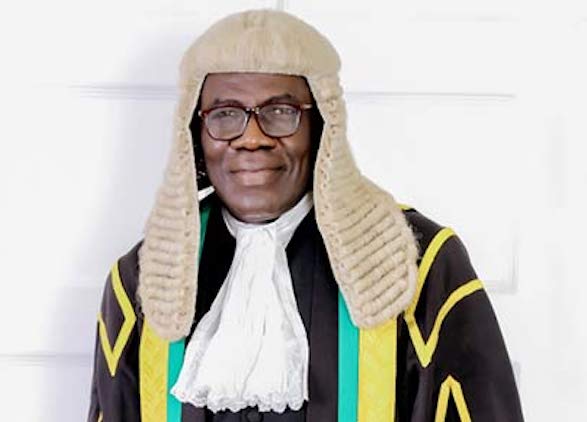
I am a lawyer. I studied law and have remained in the practice of law in memory of my late mother, who paid for me to study law at Holborn Law Tutors in the UK. I eventually continued my legal education at the University of Ibadan and graduated from there. She paid almost £7,000 upfront for one year, which was the total tuition fee for one year at that private law school. I will be eternally grateful to her. May her soul continue to rest in perfect peace. We all know what the exchange rate would be today.
In her memory, I decided to remain in the practice of law throughout my legal practice and thereafter, even until now. I tried my hand at property marketing at one time, but I had to drop it, even though I made some money from it. I stopped because it was affecting my legal practice.
There is nothing you do, from my point of view, outside your profession that will not affect your profession. Politics is one of them. Politics itself is an art and a profession, but I must add that, if it is truly for the people and the betterment of the people, it is a good one.
One of the most respected politicians in this country was Chief Obafemi Awolowo, of blessed memory. He practised law and politics successfully, but he was more of a politician. He used his knowledge of law to better the lot of so many people during his lifetime, and, till today, his name remains a reference point in using politics to serve humanity.
Mahatma Gandhi was first a lawyer before he became a politician to serve his people. His name is known more in politics than in law.
Chief F.R.A. Williams was a politician until he dropped politics to devote his entire life to law. He was not a crossbreed. His pathological devotion to law can be seen and read in the political history of Nigeria. In legal practice, to which he committed his entire life after publicly renouncing politics, his invaluable impact is evident in law books, legal records and law reports. He was an enigma and an icon who will forever be remembered, like others too numerous to name, who stayed in the service of law.
The lawyer is meant to be the beacon of society. The lawyer’s creed is to ensure that society is governed according to the law. Chief Gani Fawehinmi was the people’s lawyer. He used the law to better the lot of society. His foray into politics was disastrous because the perception of the lawyer in practice and the lawyer in politics are not symbiotic. They are strange bedfellows.
The people may hail the lawyer in law, but not the lawyer in politics. The ingredients you add to the soup that make a lawyer are different from the ingredients you add to the soup that make a politician. Femi Falana, SAN, my dear friend, was in the same boat as the late Chief Gani Fawehinmi. I feel him more in law now than when he did both.
A lawyer is known to keep to his or her word. Robert Traver, in his book The Anatomy of Murder, stated thus:
“That’s what makes the practice of law, like prostitution, one of the last of the unpredictable professions—both employ the seductive arts, both try to display their wares to best advantage and both must pretend enthusiastically to woo total strangers.”
Joseph Story lived from 1779 to 1845. He was an American lawyer, politician and jurist who served as an Associate Justice of the United States Supreme Court from 1812 until his death in 1845. He stated thus:
“I will not say….that ‘The law will admit of no rival’, but I will say that it is a jealous mistress, and requires a long and constant courtship. It is not to be won by trifling favours…”
Henry David Thoreau (1817–1862) was not a lawyer. He was an American essayist, poet and philosopher. He said:
“The lawyer’s truth is not Truth, but consistency, or a consistent expediency. Truth is always in harmony with herself, and is not concerned chiefly to reveal the justice that may consist with wrongdoing.”
I have gone through the lawyer’s creed, which is to uphold the rule of law, personal dignity and independence; to offer faithfulness, competence, diligence and good judgment while providing vigorous and honest representation without sacrificing professional ethics; to practise with fairness, integrity and civility, avoiding malicious tactics, unnecessary delays or abusive discovery; to show profound respect, candour and courtesy, ensuring that the search for truth and justice remains uncompromised; to the court or tribunal; to make justice accessible to the poor; and to protect the legal profession as a noble calling rather than a mere business.
I have gone this far in order to buttress the topic for discussion. The practice of law and politics can never converge. You cannot be a master of both. You can be successful in both, no doubt, but along the way, there are sacrifices that will most likely be at cross-purposes with the law.
Very few lawyers, like Chief F.R.A. Williams, of blessed memory, have sacrificed politics for law. The political lawyer will criticise anything, even when the law is clear that, without evidence, you are not expected to speculate.
Nowadays, many lawyers in politics take to the airwaves and the print media, especially in this era of social media, to generalise when making statements. How can a lawyer, trained in the practice of law, make general statements on any topic, especially these days when the judiciary, even in retirement, has become a topic for discussion without any evidence? How can people make general statements about Senior Advocates of Nigeria or lawyers generally?
It is pathetic that those who ought to know, by virtue of their level of education, professional qualifications and recognition in the legal community, are more guilty of this. How can a lawyer remain silent even when injustice happens in front of him and behind him, too, but he keeps quiet?
Many keep quiet these days because they want to satisfy their paymasters, even when it is glaring that the legal profession is suffering from their silence and/or complicity and complacency. These days, many voice personal opinions without let or hindrance for personal and political reasons. Some attack their professional colleagues, even the judiciary, when they cannot get what they want, but they must vent their anger on someone. Some are paid to attack or bring down their fellow colleagues, whether at the Bar or on the Bench.
I like the Yoruba language a lot. I am sorry I will not be able to interpret the idioms I will use:
“Tó bá máa jẹ Oshakala, jẹ Oshakala; tó bá máa jẹ Oshokolo, jẹ Oshokolo. Oshakala, Oshokolo kò yẹ ọmọ ènìyàn.”
“Arítení mo ń wí, àfi àpáàdì bó tiẹ̀ mọ́lẹ̀.”
“Kò sí ẹni tí a máa sí idi ẹ̀, tí a kò ní bá ẹ̀ẹ̀pà níbẹ̀.”
Apologies to those who will read this who are not Yoruba, or those who are Yoruba but do not understand these idioms.
To those who criticise, not out of holiness per se, not out of being a “straight” lawyer or simply out of a desire to be fair, but generalise in order to look good or elicit unmerited applause, look in the mirror and think back to whether you have not done anything you accuse others of doing.
In writing or criticising generally, come out, but most importantly, PRACTISE WHAT YOU PREACH BEFORE YOU CRITICISE.
Article
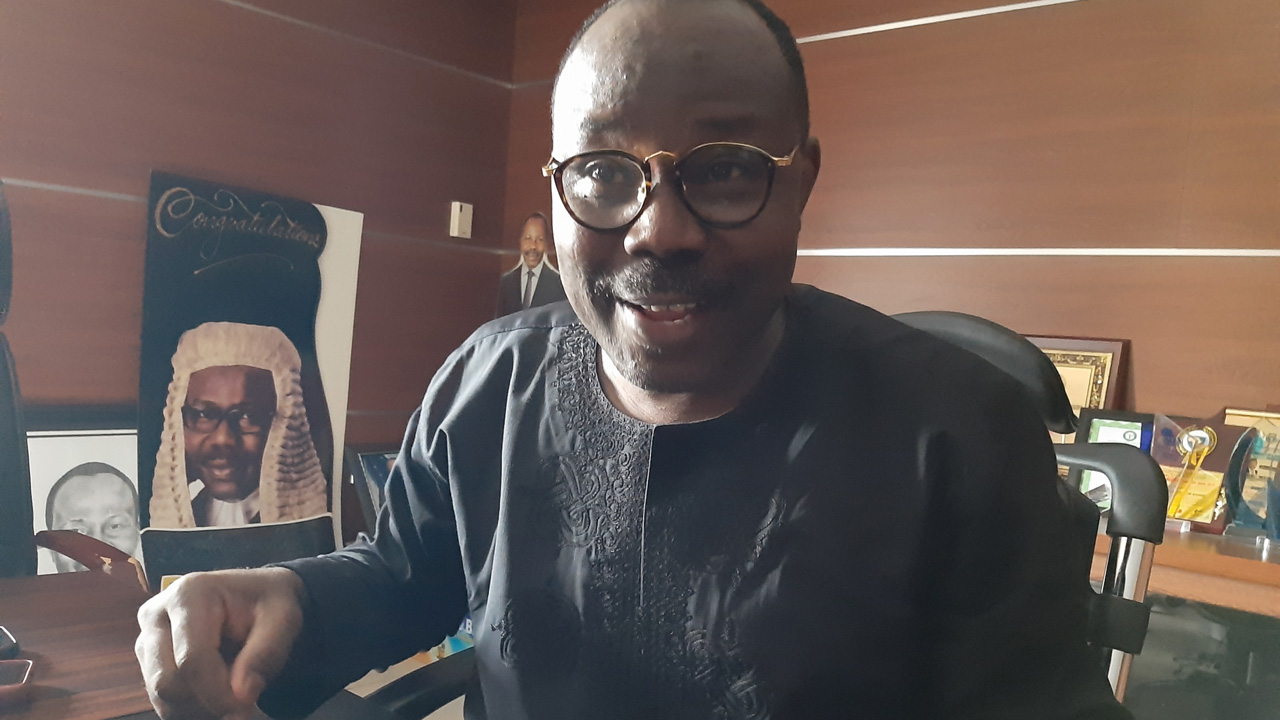
Reclaiming Integrity, Purpose, and Leadership in the Legal Profession in Nigeria – Dr. Muiz Banire, SAN
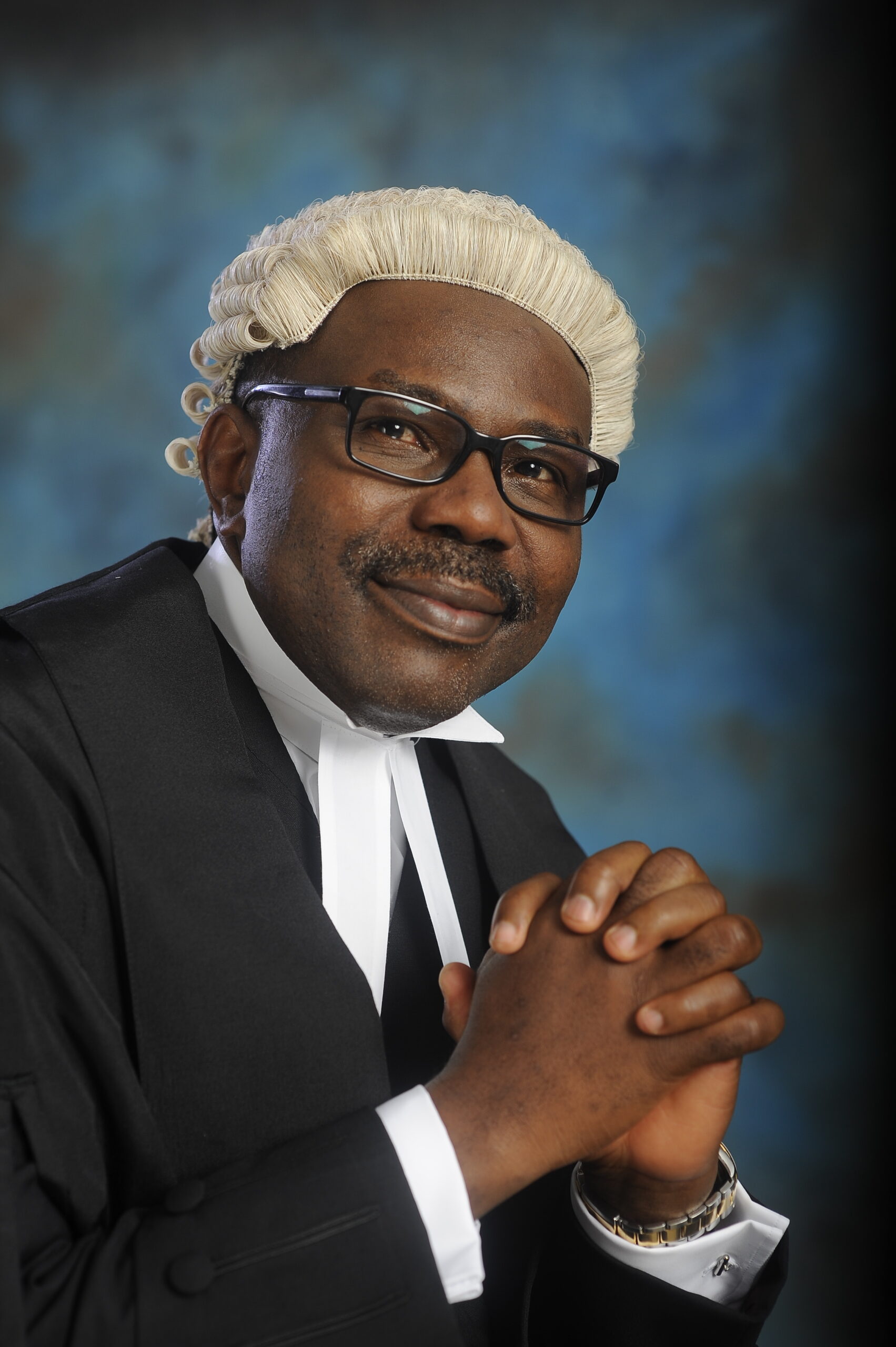
As I noted in my last two interventions, beyond the challenges confronting the judiciary and lawyers in the core dispensation of justice, there are equally troubling issues in the routine administration of the lawyers’ association—the Nigerian Bar Association (NBA) itself. It is important that we do not treat this subject as a peripheral concern, for the strength of the Bar is intrinsically tied to the health of the justice system. When the Bar falters, the temple of justice trembles.
Since 1992, the Association has hardly been free from crisis. Not only has it experienced a steady decline in cohesion and influence, but its elections have consistently been marred by controversy, disputes, and lingering litigation. What ought to be a dignified and orderly process of leadership transition has, over time, become a theatre of contestation. As we approach another election cycle, there are already about three cases pending in court—a development that does little to inspire confidence in the integrity of the process.
One is compelled to ask: how did we get here? This naturally raises a fundamental question: what exactly is at stake in the Bar Association that contesting for leadership positions has become a do-or-die affair? Is it truly a desire to serve that motivates those seeking office, or are there underlying incentives that have transformed service into a contest for personal gain, influence, and relevance?
These are not idle questions; they go to the very heart of what leadership within the Bar ought to represent. If service were the primary driver, it is doubtful that the contests would be this bitter, divisive, and, at times, openly hostile. The intensity with which these elections are fought suggests that something deeper is at play. The Bar, historically conceived as a noble institution grounded in ethics, intellectualism, and public service, now finds itself grappling with tendencies more commonly associated with partisan politics.
There now appears to be little distinction between the conduct of political actors and that of lawyers aspiring to leadership within the Bar. Campaign strategies, alliances, endorsements, lobbying tactics, and even propaganda mirror the patterns seen in the political arena. Indeed, there appears to be a crop of professional “Bar politicians,” some of whose legal practice is nothing to write home about, yet who thrive on Bar politics, evidently for survival.
It is therefore no surprise that maladministration has crept into the system, as the competence of this group or class is, at best, doubtful. Indeed, the financial demands of running campaigns have escalated significantly, reaching levels comparable to those required of politicians seeking public office.
Campaign offices, branded materials, digital outreach, mobilisation logistics, and strategic alliances all require substantial funding. This monetisation of the electoral process not only excludes capable but less affluent candidates, it also raises serious ethical concerns about expectations of “returns” once in office. As the Yoruba would say, bí a bá ná owó ìtànkál, a máa retí èrè rẹ—he who invests heavily in a venture inevitably expects a return.
The reality in contemporary times is that charlatans now occupy many of these offices. Even more troubling is the growing tendency among younger members of the profession to demand material benefits from aspirants. What was once subtle lobbying or voluntary support has now evolved into open transactional engagement.
This ranges from the payment of enrolment and conference fees to the sponsorship of accommodation, transportation, and even feeding allowances for attendees at Bar conferences, meetings, and events. In some instances, these demands are made as a precondition for support. One is left to wonder whether we are nurturing future leaders or breeding a culture of dependency and entitlement.
Regrettably, it is this contaminated pool that eventually produces the leaders of tomorrow—not only of the Bar Association but of the country as a whole. This, in part, explains the leadership challenges the nation is presently experiencing. This culture of entitlement is not only unhealthy; it is corrosive. It undermines the very principles of merit, integrity, and selfless service upon which the legal profession is supposed to stand.
The legal profession, by its very nature, demands discipline, restraint, and a commitment to higher ideals. When its members begin to commodify their support and reduce leadership contests to transactional exchanges, the moral foundation of the profession is gradually eroded.
The implications of this trend are far-reaching. Leaders who emerge from such a process are often burdened by obligations—both explicit and implicit—to those who financed or facilitated their emergence. This is reflected in the constitution of committees and the appointment of incompetent individuals to key institutions and bodies.
We have seen Bar “activists” with little or no substantial practice emerging as Benchers and Life Benchers—positions meant for lawyers who have attained distinction. This inevitably compromises their independence. It becomes increasingly difficult for such leaders to take principled stands, particularly when those stands conflict with the interests of their benefactors or political patrons. In effect, the leader becomes a product of compromise even before assuming office.
Consequently, the Bar—which ought to serve as a fearless watchdog and moral compass in society—risks becoming subdued, compromised, and reactive rather than proactive. The once vibrant Bar we knew—an institution defined by courage, intellectual rigour, and principled advocacy—has gradually lost much of its essence.
There was a time when the Bar stood as the conscience of the nation, speaking truth to power without fear or favour. Today, that voice appears increasingly muted. Rather than agitating on substantive issues, it often pursues shadows. When a Bar Association cannot speak meaningfully on unemployment, the energy crisis, or food insecurity, but instead expends its energy interrogating relatively inconsequential matters such as tinted glass permits—an issue affecting less than two per cent of motorists—one begins to question its priorities.
Increasingly, its officers rely, directly or indirectly, on patronage from public office holders. Even the sponsorship of the Association’s events is now routinely placed on the shoulders of government officials and entities, notwithstanding the dues and conference fees charged to members. The recurring refrain is that these resources are insufficient.
One would expect the Association to operate within its means rather than going cap in hand like mendicants. This dependence erodes institutional autonomy and weakens the Bar’s ability to discharge its constitutional and moral responsibilities. When those who should hold the government accountable begin to seek its favour, the consequences for justice and democracy are dire.
As another Yoruba proverb warns, ẹni tí ó bá jẹ́ kó níyì, tí ó sì tún jẹ́ kó níṣòro, kì í lè jẹ́ olóòótọ́—he who is beholden cannot be truly independent; he who pays the piper dictates the tune.
It is also important to note that this decline did not happen overnight. It is the product of years of gradual compromise, the normalisation of unethical practices, and the absence of decisive internal reforms. Like a slow but persistent erosion, the values that once defined the Bar have been worn down by expediency and silence.
Silence, in many instances, has enabled misconduct. Complicity—whether active or passive—has allowed it to thrive. And where there ought to have been firm resistance, there has often been accommodation.
This brings us to a critical and somewhat uncomfortable question: who will reform those who are meant to be the reformers? If the Bar itself is entangled in the very vices it ought to challenge, where then lies the hope for institutional renewal?
The answer, perhaps, lies in a collective awakening—a moment of introspection and recommitment by members, especially the younger generation, to the foundational ethics of the profession.
Reform must be both structural and cultural. It is not enough to amend rules; we must also reshape attitudes. It is not enough to enforce compliance; we must inspire conviction.
There is a need to revisit and strengthen electoral guidelines within the Bar. Spending limits must be clearly defined and strictly enforced. Transparent monitoring mechanisms should be introduced to ensure compliance. The use of inducements, whether direct or indirect, must attract meaningful sanctions.
Unanimously acceptable technology must also be embraced to enhance transparency in voting and reduce opportunities for manipulation. Indeed, the contest for the office of President of the country is, in some respects, less demanding than that of a national officer of the Bar Association, who is expected to visit numerous branches across the country to garner support. This is unduly burdensome.
Although I may not have a complete solution at this stage, it is evident that this model must be urgently reviewed to reduce the strain associated with participation. The sheer number of required branch visits—and the attendant financial implications—is sufficient to discourage genuinely capable aspirants.
Equally important is the reorientation of members away from material inducements towards issue-based engagement. Members must begin to assess candidates not on what they can offer materially, but on what they stand for intellectually and ethically. What is their vision for the Bar? How do they intend to strengthen the profession? What reforms do they propose?
These are the questions that should define electoral choices.
Leadership within the Bar must once again be seen as a call to service, not an avenue for personal advancement or patronage. The dignity of the profession demands nothing less. As custodians of justice, lawyers must hold themselves to a higher standard. Anything short of this diminishes not only the profession but also the society it serves.
Ultimately, we must ask ourselves whether we are prepared to restore the dignity of the profession or continue on this path of gradual decline.
The Bar cannot afford to mirror the worst tendencies of the political class it is meant to check. If it does, it loses not only its moral authority but also its relevance in the broader quest for justice and societal progress.
The choice before us is clear, but demanding. It requires courage, honesty, and a willingness to confront uncomfortable truths. It requires leaders prepared to rise above personal interests and members willing to reject inducements in favour of integrity. It requires, above all, a return to first principles.
For if the foundation is destroyed, what can the righteous do?
The Association—like the profession itself—urgently requires rescue.



EFCC Warns Lawyers Against Charging Clients in Foreign Currencies

NIS Lauds EFCC on Fight Against Corruption, Pledges Sustained Partnership

50 Major Achievements of President Bola Ahmed Tinubu
Nigerian nurses stage seven‑day warning strike over pay, staffing

Dangote Refinery to deploy 4,000 gas‑powered trucks for distribution

Nigeria approves plan to refinance ₦4tn power-sector debt
-
Health1 year ago
Nigerian nurses stage seven‑day warning strike over pay, staffing
-
Energy1 year ago
Dangote Refinery to deploy 4,000 gas‑powered trucks for distribution
-
Economy1 year ago
Nigeria approves plan to refinance ₦4tn power-sector debt
-
 Education1 year ago
JAMB sets 2025/26 university cut‑off at 150, bars under‑16
-
 Crime & Justice7 months ago
BREAKING: Two Chinese Directors Jailed 46 Years Each Over ₦3.4bn, $2.5m Crypto Fraud in Lagos
-
 Entertainment1 year ago
Sean Kingston sentenced to 3½ years in prison over $1 million fraud
-

 Business7 months ago
Nigeria Revenue Service Collects ₦28.3trn in 2025, Sets ₦40.7trn Target for 2026
-
 Crime & Justice7 months ago
Police Arrest 24-Year-Old Over ₦48.5m Romance Fraud in Lagos